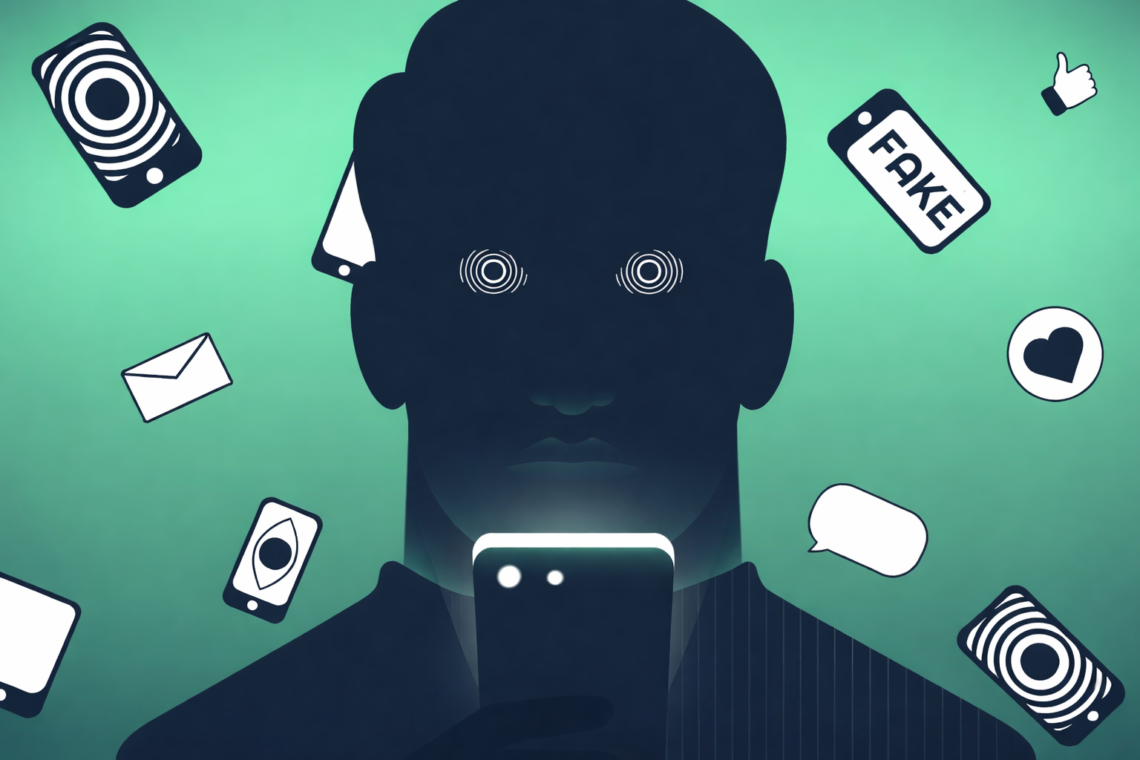
You probably can’t remember exactly when it started. Maybe you picked up your phone to check a text or glanced at the news before bed. Somehow, twenty minutes later, you’re still scrolling through disasters, arguments, heartbreaking stories, and political outrage. Your shoulders feel tense, and your stomach is tight. You know you should stop, but you keep going anyway.
This has a name: doomscrolling. Although it feels automatic, like background noise to your day, it causes more harm than you may realize.
What Doomscrolling Actually Is
Doomscrolling is exactly what it sounds like: endlessly scrolling through bad news, upsetting posts, and worst-case scenarios, usually on social media or news apps. What makes it so harmful is that it rarely feels like a choice. You don’t sit down and decide, “I’m going to make myself miserable for the next hour.” It just happens.
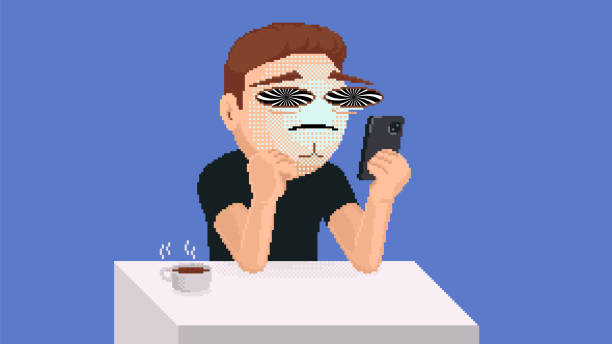
And that’s by design. Algorithms are made to keep you engaged, and nothing grabs your attention quite like fear or anger. A cute dog video might make you smile, but a headline about societal collapse? That’ll keep you reading. Before you know it, you’re stuck in a loop: feeling bad, scrolling to stay informed, and somehow ending up feeling worse.
The Mental Health Toll
The most obvious damage is what doomscrolling does to your mental state. Constant exposure to tragedy and chaos doesn’t just make you sad; it changes how you see the world. When every swipe reveals another crisis—war, crime, political disaster, climate catastrophe—it starts to feel like everything is falling apart all the time.
Yes, real problems exist. But doomscrolling warps your sense of scale. It makes the bad seem inescapable and the good feel invisible. Over time, that breeds anxiety, helplessness, and a nagging feeling that nothing you do matters.
For those already struggling with depression, it’s even worse. The endless stream of suffering drains your emotional reserves. Small joys start to feel trivial or even guilty. How can you enjoy your coffee when the world is in turmoil? You become numb, exhausted, and detached.
Then there’s sleep. Scrolling late at night fills your brain with stress at the very time it should be winding down. Poor sleep makes everything harder. You’re more irritable, less focused, and struggle to handle your emotions. This makes you more likely to doomscroll the next day. The cycle continues.
The Cognitive Cost
It’s not just your mood that suffers; your ability to think clearly does too. Your brain isn’t designed to handle a flood of alarming information. When you overload it, your focus splinters. Tasks that used to feel simple suddenly feel exhausting. You sit down to work and can’t concentrate because your mind keeps replaying the ten horrible things you read that morning.
Even your downtime gets hijacked. You try to take a break, but instead of relaxing, you’re scrolling through more chaos. You never truly recover.
Empathy Burnout and Social Withdrawal
Here’s something that isn’t talked about enough: constant exposure to suffering can dull your ability to empathize. Not because you’re a bad person, but because your mind has limits. When you see tragedy after tragedy, day after day, your emotional responses begin to fade. Psychologists call this compassion fatigue.
You might start feeling detached or even cynical. Not because you stopped caring, but because caring all the time about everything is unsustainable. Ironically, the thing that keeps you glued to the screen—wanting to stay aware and connected—ends up making it harder for you to respond with true compassion when it really matters.
Relationships suffer too. Instead of talking to your partner or calling a friend, you scroll. Conversations get taken over by the outrage you just read about. You might become more argumentative, defensive, and suspicious of people with different viewpoints. Social media’s polarization seeps into real life.
Why It’s So Hard to Stop
None of this is your fault. Doomscrolling isn’t a character flaw. It’s a predictable response to platforms designed to seize your attention. When the world feels uncertain, people instinctively seek information. Knowledge feels like control. The trouble is when that search becomes compulsive, and “staying informed” becomes indistinguishable from “staying miserable.”
The platforms understand this. They benefit from it.
Breaking Free
Stopping doesn’t mean ignoring problems or pretending they don’t exist. It means being deliberate about what you consume and when.
Set boundaries. Decide not to check the news first thing in the morning or right before bed. Unfollow accounts that thrive on outrage. Choose a few trusted news sources instead of letting algorithms dictate what you see. Set a time limit: check in once or twice a day, then step away.
Replace the habit with something real. Go for a walk. Read a book that isn’t about the apocalypse. Cook something. Call someone you care about. Do something with your hands. These aren’t distractions; they’re reminders that your life exists beyond the screen, and most of it is still okay.
Reclaiming Your Attention
Doomscrolling takes away something irreplaceable: your peace of mind. It tricks you into thinking that staying constantly anxious is the same as staying informed, when really, all it does is leave you too exhausted to do anything meaningful.
The world doesn’t need you burned out and despairing. It needs you clear-headed, grounded, and healthy enough to act when it truly matters. You can care about what’s happening without drowning in it. You can stay aware without losing yourself.