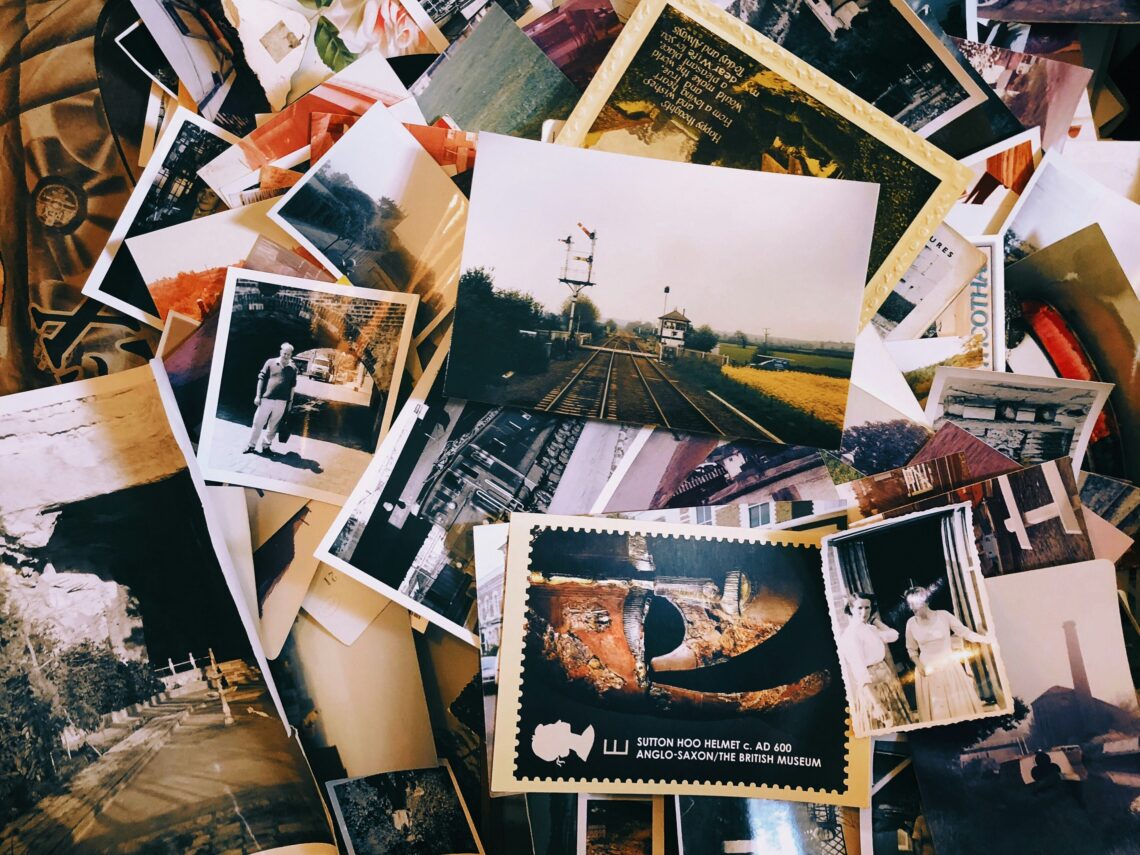
If you’ve walked into a clothing store lately, you might have felt a strange sense of déjà vu. Low-rise jeans, baggy hoodies, and neon colors are everywhere. If you’ve scrolled through your streaming service, you’ve likely seen a dozen reboots, sequels, or “spiritual successors” to movies from thirty years ago. Vinyl records are outselling CDs, and digital cameras from 2005 are being sold as “vintage” treasures.
We are living in the golden age of the Nostalgia Trap. It is a psychological and cultural phenomenon where the comfort of the past becomes so seductive that it prevents us from engaging with the present. While a trip down memory lane can be a pleasant vacation, staying there too long can turn into a cage.
1. The Anatomy of “Rose-Colored Glasses.”
Nostalgia is a powerful biological filter. Our brains are designed to prune away the mundane stresses of the past—the boredom, the minor anxieties, the daily grind—while heightening the emotional peaks. This is why you remember the “magic” of a childhood summer but forget the heat exhaustion, the mosquito bites, and the fact that you were actually quite bored for half of it.
Psychologically, nostalgia acts as a “stabilizer.” When the present feels chaotic—due to economic shifts, rapid AI advancements, or social upheaval—we retreat to a time that feels “finished.” The past is safe because the ending is already written. There are no surprises in 1998. By retreating into the past, we find a sense of control that the unpredictable future refuses to give us.
2. The Feedback Loop: How Algorithms Feed the Trap.
In 2026, the Nostalgia Trap isn’t just in our heads; it’s in our code. Social media algorithms have discovered that “longing” is one of the most profitable emotions. If you engage with one clip of an old Saturday morning cartoon, your feed will soon be flooded with “Only 90s Kids Remember” content.
This creates a Digital Echo Chamber. Instead of being exposed to new music, new art, or new ideas, we are fed a constant loop of our own history. We aren’t just remembering the past; we are being sold back to ourselves. This algorithmic nostalgia prevents “cultural evolution.” If we are all busy re-watching the same ten sitcoms from twenty years ago, we aren’t creating the groundbreaking stories that will define this decade.
3. The “New” Isn’t What It Used To Be.
Part of why we fall into the trap is a perceived decline in quality. There is a widespread feeling that modern products are “disposable” and modern art is “formulaic.” When you buy a vintage jacket that has lasted forty years, you feel a connection to a time of craftsmanship. When you listen to a classic rock album, you hear a “human” imperfection that feels missing from today’s hyper-polished, AI-assisted pop tracks.
However, this is often a Survivor Bias. We only remember the “great” things from the past because the mediocre things were thrown away decades ago. By comparing the absolute best of 1970 to the average of 2026, we create a false narrative that the world is getting worse. This narrative fuels the trap, making us believe that the “Good Old Days” were a factual reality rather than a curated highlight reel.
4. The Cost of Cultural Stagnation.
The danger of the Nostalgia Trap is that it creates a “static” culture. When a society is obsessed with its own history, it stops innovating. We see this in:
- Cinema: A reliance on franchises and “IP” (Intellectual Property) instead of original screenplays.
- Fashion: A constant cycle of “core” aesthetics (Y2K-core, 90s-core) that prevents a new, distinct 2020s identity from forming.
- Technology: Using cutting-edge tech to mimic old tech (like apps that make phone photos look like grainy film).
When we spend all our creative energy “remixing” the past, we lose the ability to imagine a radically different future. We become a society that is looking in the rearview mirror while trying to drive forward—a recipe for a crash.
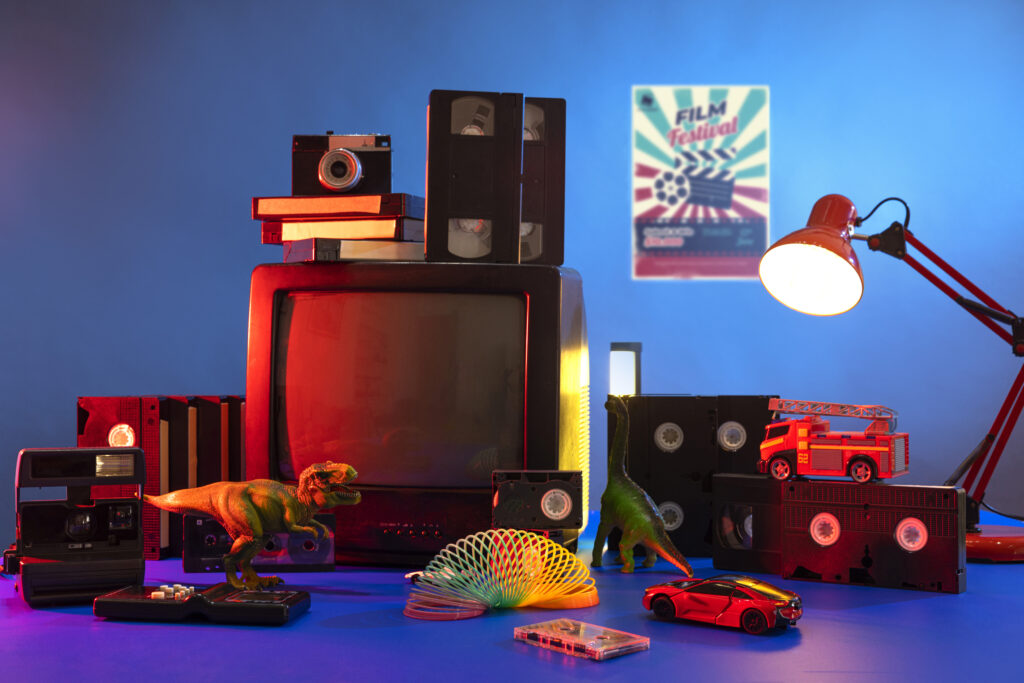
5. Personal Stagnation: Living in Your “Glory Days.”
On an individual level, the Nostalgia Trap can be an anchor on personal growth. Many people fall into the “Peak Identity” trap, where they believe their best years are behind them. This usually happens around milestones—turning 30, 40, or 50.
If you believe that your high school years, your college days, or your “early career” was the pinnacle of your existence, you stop looking for new peaks. You become a “museum curator” of your own life, constantly polishing old trophies instead of training for new races. This leads to a deep, underlying bitterness toward the present. Everything “now” is compared unfavorably to “then,” making genuine happiness in the current moment impossible.
6. Escaping the Trap: “Functional” Nostalgia.
Does this mean we should burn our old records and forget our childhoods? Of course not. Nostalgia can be functional. It can provide a sense of continuity and meaning. The trick is to use it as a fuel, not a destination.
- The 80/20 Rule: Spend 20% of your time enjoying the classics and 80% seeking out the “new.” Listen to a band that formed last week. Watch a movie from a country you’ve never visited.
- Analyze the “Why”: When you feel a pang of nostalgia, ask yourself: What is missing from my life right now that I’m trying to find in the past? Is it a sense of community? A lack of stress? Simplicity? Once you identify the need, you can try to build it in the present.
- Be a Creator, Not Just a Consumer: Use the inspiration from the past to create something entirely new. Don’t just wear the 70s style—take the spirit of that era and mix it with 2026 technology to create something the world hasn’t seen yet.
Conclusion: The Present is All We Have.
The past is a beautiful place to visit, but it’s a terrible place to live. The irony of nostalgia is that the “Good Old Days” were only good because the people living in them were fully present, looking toward their own futures.
In 2026, we have tools and opportunities that our ancestors couldn’t have dreamed of. We have the ability to solve problems, create art, and build connections in ways that were impossible in the decades we so desperately mimic. By stepping out of the trap, we reclaim our power to make today the era that people will be nostalgic for thirty years from now.