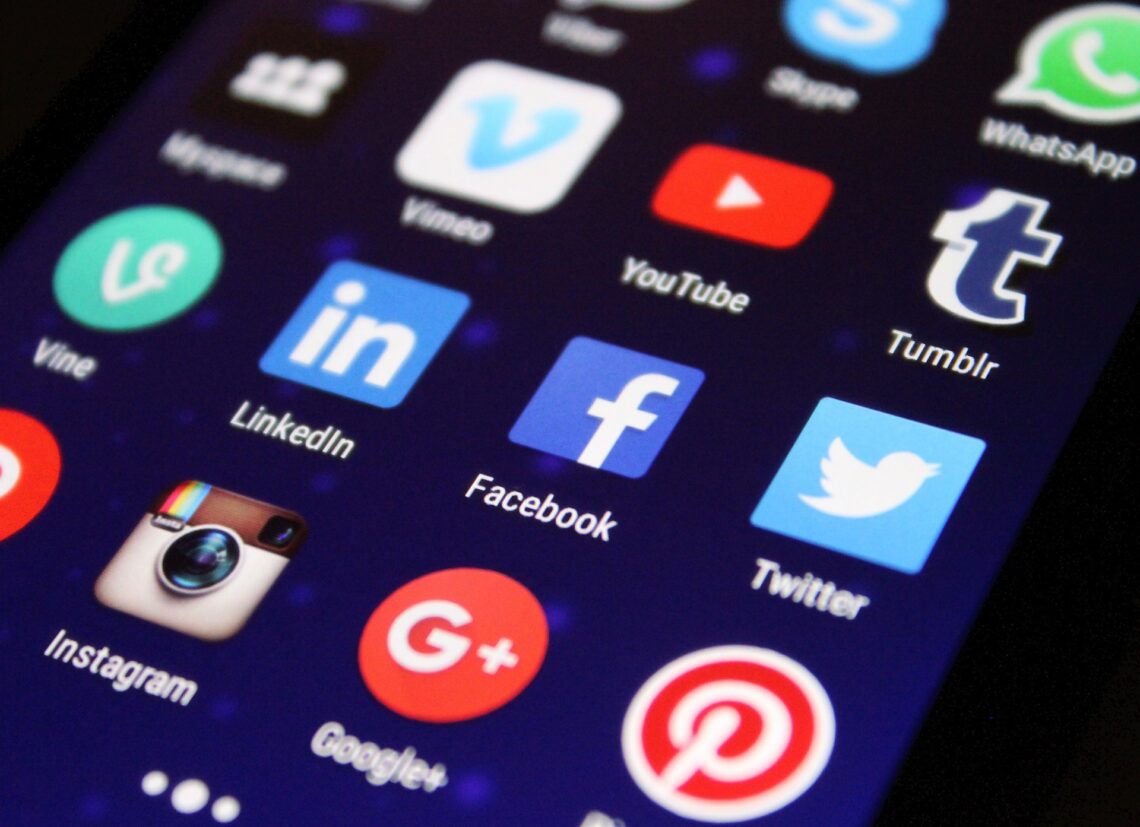
The notification ping had become my Pavlovian trigger. Instagram at breakfast, Twitter during my commute, TikTok before bed. I was scrolling through other people’s lives while my own slipped by unnoticed. So I decided to try something radical: two weeks without any social media. No Instagram, no Twitter, no TikTok, no Facebook. Just me and the real world.
The First 48 Hours: Withdrawal Was Real
I deleted the apps on a Sunday night, feeling oddly ceremonial about it. Monday morning hit differently. I reached for my phone at least thirty times before noon, my thumb automatically moving to where Instagram used to be. Each time I found empty space, I felt a weird pang of loss.
The phantom vibrations were the worst part. I’d swear my phone was buzzing, only to check and find nothing. My brain had been so conditioned to expect constant stimulation that it was literally creating sensations that weren’t there. By day two, I was restless and irritable, like a smoker trying to quit. I hadn’t realized how deeply the habit had embedded itself into my nervous system.
Days 3-5: Discovering the Time I Never Knew I Had
Once the initial discomfort faded, something strange happened. I had time. Absurd amounts of time. Those tiny five-minute scrolling sessions I thought were harmless? They added up to nearly three hours a day. Three hours I suddenly had back.
I started reading again—actual books with pages. I finished a novel I’d been “reading” for eight months. I cooked elaborate dinners instead of ordering takeout while scrolling through food videos. I even called my sister, something I hadn’t done in months because we usually just exchanged memes and reacted to each other’s stories.
The evenings felt longer, but in a good way. Without the bedtime scroll, I was falling asleep faster and waking up less groggy. My sleep app confirmed it: I was getting an extra hour of quality sleep each night.
The Middle Week: FOMO Versus Peace of Mind
Around day seven, the FOMO kicked in hard. What were people talking about? What memes was I missing? Had anything important happened in the world, or in my friends’ lives? The urge to check was intense, driven by this anxiety that I was being left behind.
But then I noticed something else. Without the constant comparison machine in my pocket, I felt lighter. I wasn’t measuring my Saturday night against someone else’s highlight reel. I wasn’t feeling inadequate because a former colleague just got promoted, or because an influencer was on their third vacation this month. My life was just my life, and it was enough.
I realized how much of my daily mood had been shaped by what I saw online. Good news from strangers made me feel behind. Bad news made me feel anxious. Hot takes made me feel angry about things that didn’t actually affect my life. Without that emotional roller coaster, I felt more stable and present.
Days 10-14: Reconnecting With Reality
The second week brought unexpected benefits. I started noticing things again. The way morning light hit my coffee cup. The expressions on people’s faces during conversations. I wasn’t mentally composing captions for my life anymore or thinking about what would photograph well.
My relationships changed too. Without social media, I actually had things to tell people. Conversations were richer because we weren’t just rehashing stories we’d already seen on each other’s feeds. I texted friends directly with funny thoughts instead of broadcasting them to hundreds of followers who didn’t really care.
I also confronted my boredom head-on. Standing in line at the grocery store without my phone felt almost meditative. Waiting for a friend at a coffee shop, I just sat there, watching people, thinking my own thoughts. It was uncomfortable at first, then surprisingly refreshing.
The Verdict: What I’m Taking Forward
When the two weeks ended, I reinstalled Instagram. Within fifteen minutes, I felt the old anxiety creeping back. The algorithm served me content designed to trigger emotions—envy, outrage, inadequacy, desire. I realized these platforms aren’t neutral tools. They’re engineered to capture attention and manipulate feelings.
I’m not staying off social media forever. It has real value for staying connected, discovering ideas, and building community. But I’m approaching it completely differently now. I’ve set strict time limits, turned off all notifications, and deleted apps I don’t genuinely enjoy. I check social media deliberately now, not compulsively.
The biggest lesson? I don’t need to document everything or consume everyone else’s content to live a full life. In fact, the opposite might be true. The most meaningful moments from my two weeks offline were the ones I simply experienced without sharing them, the thoughts I kept private, the conversations that stayed between two people.
We think we’re afraid of missing out on what’s happening online, but we’re actually missing out on what’s happening right in front of us. Those 14 days reminded me that real life—messy, unfiltered, and unoptimized for engagement—is still the best content there is.