Art is often romanticized as a lightning bolt of inspiration that strikes the lucky few. We imagine the tortured genius staring at a ceiling until a masterpiece reveals itself. In reality, getting better at art is much closer to training for a marathon than waiting for a miracle. It is a gritty, iterative, and occasionally frustrating process that offers a level of fulfillment few other pursuits can match.
If you want to move from “doodler” to “artist,” you have to embrace the friction. Here is how you navigate the messy, rewarding path of creative growth.
The “Ugly Phase” and the Anatomy of Growth
The hardest part of art isn’t the drawing itself; it’s the gap between your taste and your skill. You know what “good” art looks like, but your hands won’t cooperate yet. This is where most people quit.
To get better, you have to fall in love with the fundamentals. Think of these as the “boring” gym sessions of the art world:
Perspective: Understanding how objects sit in 3D space.
Anatomy/Form: Learning the “why” behind the shapes of the human body.
Value and Lighting: Mastering how light interacts with surfaces to create depth.
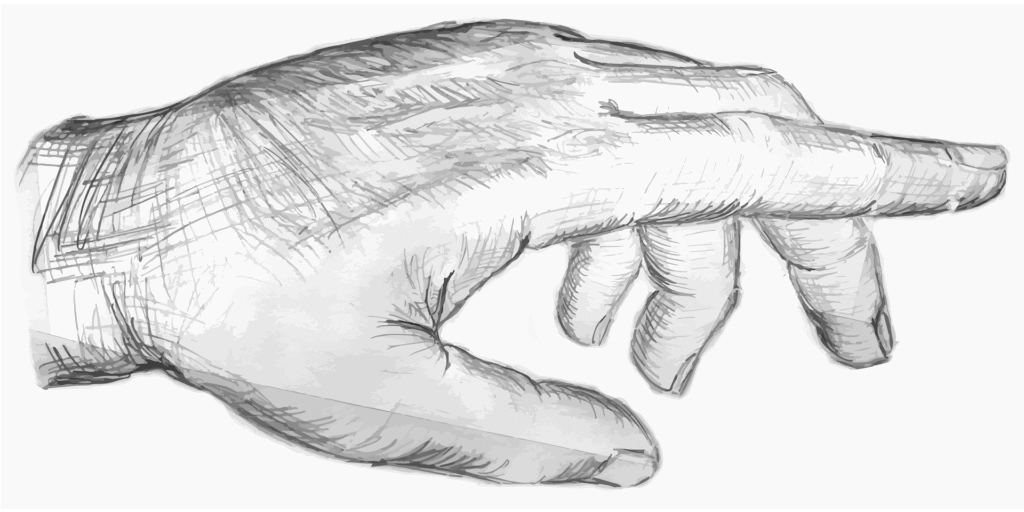
The secret to improvement is Deliberate Practice. Instead of drawing the same “pretty girl” face a thousand times, spend a week drawing only hands. Then a week on feet. Then a week on folds in fabric. By isolating your weaknesses, you build a toolkit that eventually allows you to draw anything you can imagine.
The Double-Edged Sword of the Internet
We live in the best—and arguably the most overwhelming—time to be an artist. The internet has democratized art education. Platforms like YouTube, ArtStation, and specialized Discord communities have replaced expensive art schools for many.
The Good: Limitless Learning
You have access to the “old masters” and “modern legends” at the click of a button. You can watch a time-lapse of a professional digital painter and see exactly how they layer their colors. This “over-the-shoulder” learning is a shortcut that didn’t exist twenty years ago.
The Bad: The Comparison Trap
The internet is a highlight reel. When you scroll through Instagram or Pinterest, you are seeing the finished, polished result of someone’s 20-year career. It’s easy to feel like you’re failing because your “Day 10” doesn’t look like their “Year 20.”
The Fix: Use social media for curation, not validation. Follow artists who inspire you, but remember that likes are a metric of popularity, not a metric of artistic merit.
Finding Inspiration Without Plagiarizing
Where does a “style” come from? It’s not something you find under a rock; it’s a mosaic of everything you’ve ever loved.
To find your voice, you must be an active consumer of the world. Look beyond other people’s drawings. Look at the way moss grows on a damp brick wall, the color of the sky ten minutes after sunset, or the architecture of a brutalist building.
Try the “Rule of Three”: Pick three artists whose work you adore. Analyze what you like about them. Is it Artist A’s use of color? Artist B’s aggressive linework? Artist C’s storytelling? When you mix these influences with your own unique life experiences, you begin to develop a style that feels like you.
The Mental Game: Consistency Over Intensity
The most rewarding part of art is the moment you look back at a sketchbook from six months ago and realize how far you’ve come. But you only get that reward if you stay in the game.
Quantity Leads to Quality: Don’t try to make every piece a masterpiece. Aim to make 100 “bad” drawings. By the time you get to 101, you’ll be significantly better.
Rest is Productive: Burnout is real. Sometimes the best thing you can do for your art is to put the pencil down and go for a walk.
Community Matters: Find a “tribe.” Whether it’s a local figure drawing class or an online forum, having people to share your struggles with makes the hard days easier.
Final Thoughts
Art is a lifelong conversation between your eyes, your brain, and your hand. It is “hard” because it requires you to be vulnerable and to fail publicly. But the reward—the ability to take an abstract feeling or a dream and make it visible to the world—is a superpower.
Stop waiting for the perfect moment or the perfect tool. Grab a cheap pen, a scrap of paper, and start making something “bad.” The “good” stuff is waiting just a few hundred sketches away.
Would you like me to create a specific 30-day practice plan for a particular medium, like digital painting or charcoal sketching?